A whole world of experiences
The power of brand spaces

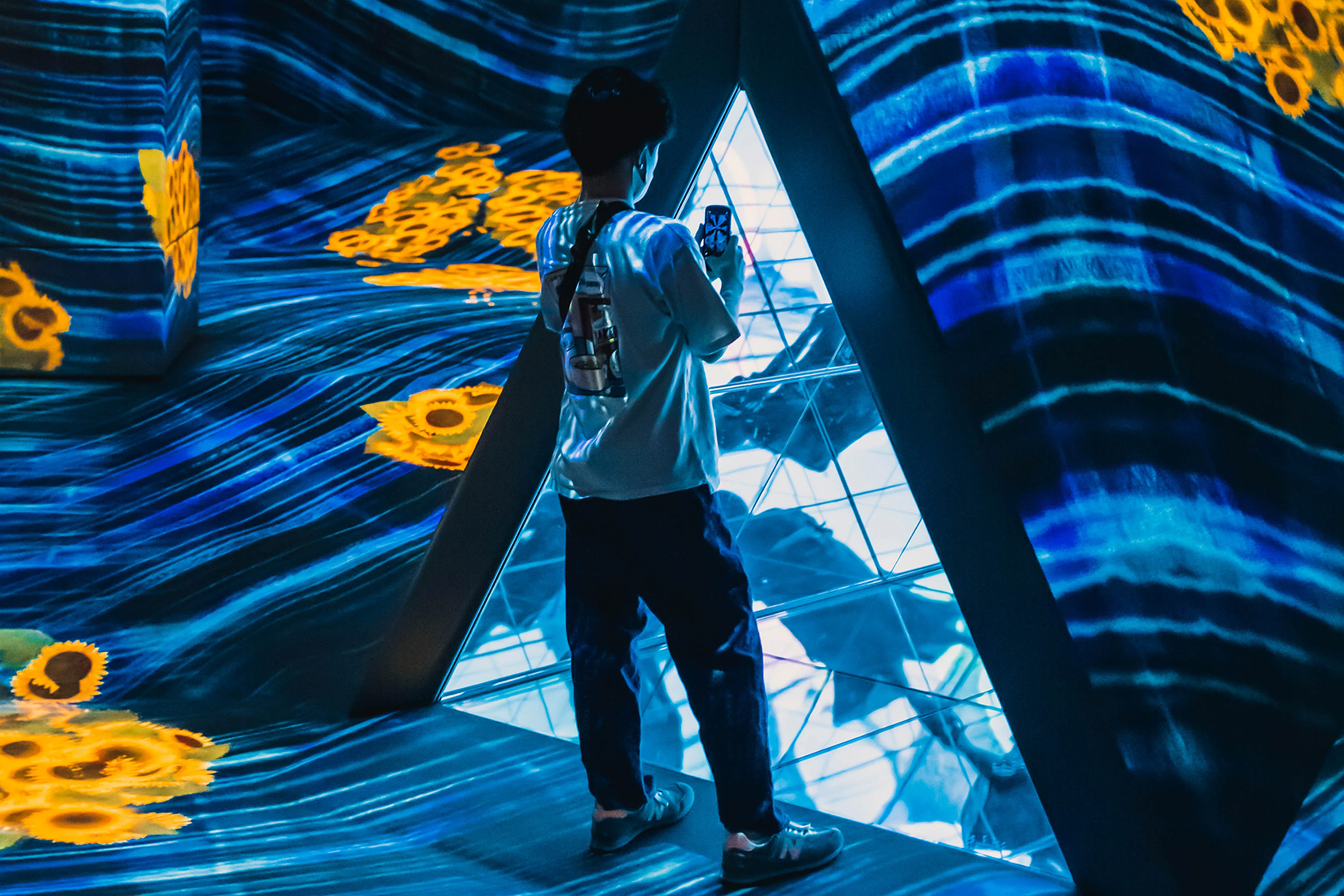
The marketing landscape has changed dramatically over the last two decades. In an era where people are looking for experiences and entertainment, companies need to become more creative to stay top of mind with their customers. One innovative marketing strategy that is becoming increasingly important is the creation of brand experience worlds or “brand spaces”. These go far beyond traditional marketing approaches by offering visitors a unique and immersive experience. As a result, they are a powerful tool for creating lasting customer loyalty.
When customers become fans
An important aspect is that they are not just shopping centres or museums, but also spaces for social interaction and community. People visit them not only to shop, but also to spend time with friends and family. They even serve as extracurricular learning spaces for school classes, transforming the brand into a place where educational and socially relevant issues are taught. Rather than focusing on short-term sales goals, experiential spaces create a lasting connection based on trust, engagement and a deeper understanding of the brand. The brand becomes part of the life story and social environment. Enthusiasm and loyalty to a brand are the critical factors that turn customers into fans of a brand. Fans are willing to invest their heart, time and money in a brand and make brands successful in the long term. A brand space makes it possible to immerse oneself in the world of a brand, to actively experience it and to move within it. Through positive experiences, a bond with the brand is created, creating long-term loyalty and, ideally, turning the customer into an enthusiastic fan.
Wie Unternehmen ihre Marke zum Erlebnis machen können
Im Gegensatz zu temporären Auftritten auf Fachmessen, die oft nur von kurzer Dauer sind, erreichen Marken- und Unternehmenswelten wie z.B. die Swarovski Kristallwelten in Innsbruck eine langanhaltende Präsenz und schaffen eine nachhaltigere Bindung zu den Konsumenten. In solch einem Brand Space schafft eine Marke die perfekte Umgebung, um eigene Eventformate sowohl für B2B als auch für B2C zu lancieren. Im Erlebnismarketing steht nicht länger nur der Produktnutzen im Vordergrund, sondern das Erlebnis, das dem Kunden und der Kundin geboten wird. In der M&M’s World in Las Vegas kann der Kunde und die Kundin nicht nur aus über 100 M&M-Sorten wählen, sondern mit einem Drucker auch eigene M&Ms gestalten. Eine Markenerlebniswelt sollte eine umfassende multisensorische Ansprache in ihr Erlebnisangebot mit einbeziehen. Den Inszenierungskern von Erlebniswelten bilden nicht nur die Produkte, sondern auch die Geschichte, die Herstellung und die Innovationen hinter der Marke. Shopping- und Gastronomieangebote sowie Informations- und Bildungsangebote erweitern das Markenerlebnis. Produkte als reine Produkte sind out. Was die Kundschaft heute will, sind Produkte, die Träume, Geschichten, Erlebnisse und Erfahrungen bieten. Gut inszenierte Markenwelten schaffen etwas, was kein anderes Kommunikationsinstrument erreicht: Sie lassen den Kunden und die Kundin mit der Marke verweilen. Das gelingt nicht nur bei klassischen B2C-Produkten, sondern kann auch im B2B-Bereich in Form eines immersiven Showrooms am eigenen Standort überzeugen. Es überrascht daher, dass bisher nicht mehr Unternehmen eine eigene Erlebniswelt als festen Bestandteil in ihre Marketingstrategie integriert haben.
Still curious?
Live is the most powerful communication.
